Night Snorkeling in Barbados: What Happens After Dark?
The Nocturnal Shift: Transitioning from Day to Night on the Reef
The familiar daytime reef structure transforms entirely after sunset. As the light fades across the Caribbean Sea, diurnal herbivores retreat to the safety of deep coral crevices, making way for the emergence of nocturnal predators. This changing of the guard ecosystem dictates a strict biological schedule. Parrotfish envelop themselves in protective mucous cocoons to mask their scent from predators, while typically reclusive invertebrates leave their daytime hiding spots to hunt in the open water column. For those who have already mastered the sites detailed in our Ultimate Guide to Snorkelling in Barbados, observing this transition provides a profound understanding of marine ecological cycles.
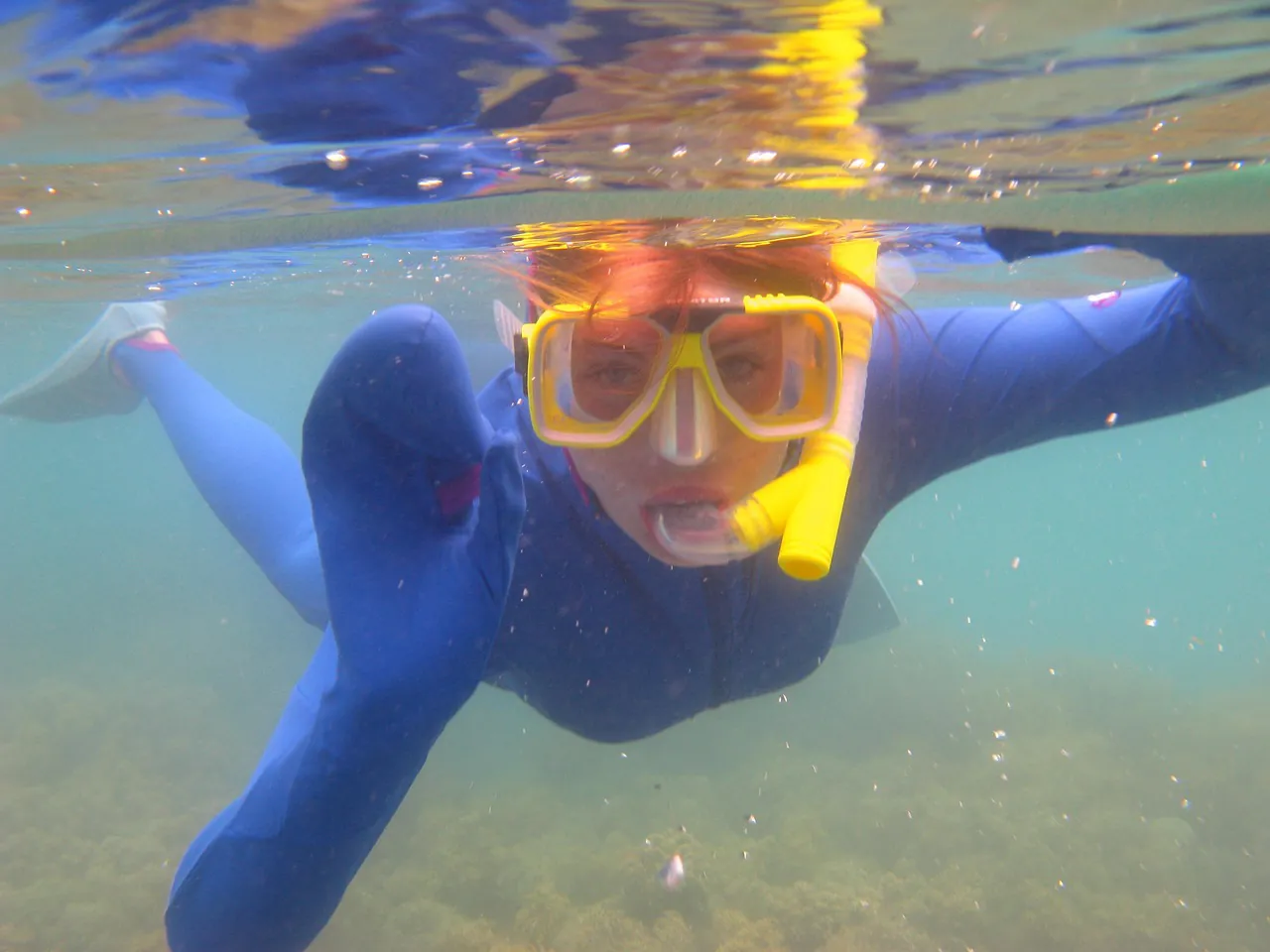
Entering the water after dark requires a fundamental shift in technique. Snorkellers are no longer passively floating over sunlit coral gardens; they are actively piercing the darkness with focused beams of light. The sensory deprivation of the night sea amplifies the sounds of parrotfish scraping algae and the rhythmic breathing through the snorkel tube. It is a highly focused environment that demands excellent buoyancy control and spatial awareness, moving far beyond the scope of a standard daylight excursion.
Why Night Snorkelling is a Specialised Niche
Exploring the Bajan coastline in the dark appeals specifically to experienced snorkellers seeking advanced biological encounters. Standard daylight vision is replaced by a reliance on high-lumen waterproof torches, reducing the visual field to a concentrated cylinder of light. This tunnel vision forces a heightened state of observation, causing participants to notice microscopic details, active hunting behaviours, and exact coral structures that are easily overlooked during the day.
Because the margin for error is significantly reduced at night, preparation is critical. Standard guided night snorkelling setups for the 2026 season average between $110 and $140 USD per seat. These specialised excursions require participants to carry a primary high-lumen torch, while operators utilise secondary marker lights to establish safe perimeters. Before booking a night session, it is imperative to review our Equipment & Safety Guide to understand the specific buoyancy and signalling protocols required for nocturnal marine environments.
The Science and Spectacle of Bioluminescent Plankton
During the 2025/2026 season, night snorkellers in Barbados’ calmer western bays have the opportunity to witness a precise chemical reaction known as bioluminescence. The organism responsible for this phenomenon in local waters is Pyrodinium bahamense, a species of single-celled dinoflagellate that congregates in high densities within sheltered coastal areas. Unlike ambient moonlight, the light produced by these microorganisms is an active, defensive biological process triggered by kinetic energy.
When physically disturbed by the sweep of a snorkeller’s fin, the dinoflagellates emit a highly specific 0.1-second flash of light at a 470 nm wavelength, manifesting as a brilliant blue-green spark in the dark water.
The intensity of the bioluminescent glow during a Barbados night snorkel is directly correlated to a process called solar charging. The dinoflagellates rely on photosynthesis during the daylight hours to produce the luciferin and luciferase enzymes necessary for light emission. Consequently, the brighter the sunlight during the preceding day, the more intense the dinoflagellates’ glow will be at night. Tracking the daily weather conditions via the Barbados Meteorological Services can provide a reliable forecast for the evening’s bioluminescent visibility. For a broader understanding of seasonal marine conditions, consult our guide on the Best Time & Weather for Snorkelling.
Hawksbill Turtles After Dark: Sleep and Pre-Nesting Behaviour
Hawksbill turtles present completely different behavioural patterns at night. While they are highly active foragers in Carlisle Bay during the day, they enter a distinct state of torpor after sunset. To sleep without drifting into dangerous currents, Hawksbills securely wedge themselves under coral ledges or deep into the structural crevices of the bay’s sunken vessels. For those interested in the topography of these specific resting sites, our Exploring the Berwyn: A Guide to Carlisle Bay Shipwrecks provides detailed maps of the underwater infrastructure.
During the nesting season (mid-May to late October), night snorkellers exploring the nearshore areas along the Hastings Boardwalk may spot female Hawksbills preparing to nest. These mature females navigate through the shallow reef flats in the dark, relying on stored energy reserves rather than foraging, before hauling out onto the white coral sands to lay their eggs. As mandated by the Barbados Sea Turtle Project, snorkellers must maintain strict distance protocols and never shine high-lumen torches directly into a resting or nesting turtle’s eyes. Detailed rules on nocturnal interactions can be found in our Turtle Etiquette guide.
Benthic Predators and Invertebrates on the Night Reef
The removal of daylight triggers the emergence of highly specialised nocturnal hunters and filter feeders. At Folkestone Marine Park, nocturnal basket stars—a specialised sub-group of brittle stars—emerge from the reef structure. They spread their highly branched, fractal-like arms into the water column to filter-feed on microscopic plankton. These invertebrates possess extreme light sensitivity; when illuminated by a snorkeller’s dive torch, they instantly curl their branching arms inward, withdrawing into a tight ball until the light beam moves away.
The rocky substrate also hosts the Spotted Moray Eel (Gymnothorax moringa), frequently misidentified by locals as a “Conger eel.” This solitary predator leaves its daytime burrow to actively hunt at night. Relying entirely on a highly evolved sense of smell to compensate for poor eyesight, it slithers through tiny cracks to corner sleeping damselfish. The Spotted Moray utilises a terrifying anatomical advantage: a second set of toothed pharyngeal jaws in its throat that launches forward to grasp and pull prey down its esophagus.
Above the reef, massive Atlantic Tarpon frequently shadow night snorkellers along the western coast. These opportunistic hunters utilise the beam of the snorkeller’s waterproof flashlight to spot and ambush small minnows, squid, and needlefish in the dark. To witness these predatory behaviours safely, visitors often book a sunset and snorkelling catamaran cruise, allowing them to acclimate to the water as the light shifts from dusk to full darkness.
UV Fluorescence and Psychedelic Corals
One of the most advanced iterations of nocturnal reef exploration is UV fluorescence snorkelling. Local dive operations, prominently including Barbados Blue Watersports located at the Hilton Barbados Resort on Needham’s Point, have pioneered specialised excursions utilising 450-470nm blue lights. These are not standard ultraviolet “black lights,” but heavily filtered blue torches paired with yellow barrier masks worn by the snorkeller.
Under these specific wavelengths, certain species of Bajan brain and star corals naturally absorb the blue spectrum and fluoresce, emitting a striking, psychedelic neon green and orange glow. The Caribbean Reef Octopus (Octopus briareus) is also frequently spotted during these high-contrast dives. While prowling the seabed for crabs, this cephalopod uses thousands of chromatophores to perfectly match the surrounding coral texture, instantly flashing from an iridescent blue-green to a stark white or mottled red-brown.
Night Snorkelling & Bioluminescence Logistics
For those planning to integrate nocturnal exploration into their itinerary, understanding the exact logistics, equipment requirements, and geographical limitations is essential. You can find detailed daytime site mappings in our Where to Go: Best Spots for Snorkelling directory, but the table below outlines the specific metrics required for night operations.
| Operational Metric | 2025/2026 Specification | Primary Location |
|---|---|---|
| Guided Setup Cost | $90 – $100 USD per person | Needham’s Point / Carlisle Bay |
| Bioluminescence Wavelength | 470 nm (Blue-Green Flash) | Sheltered Western Bays |
| Flash Duration | 0.1 Seconds (Kinetic Trigger) | Surface Water Column |
| UV Coral Excitation Light | 450-470nm Specialised Blue Torch | Hilton Barbados Resort Reefs |
| Basket Star Emergence | Strictly Post-Sunset | Folkestone Marine Park |
Whether you are pursuing the glowing trails of bioluminescent dinoflagellates or observing the mechanical precision of a foraging Moray Eel, entering the water after dark is an absolute necessity for marine enthusiasts. The Bajan coastline at night offers a rigorous, fact-driven biological display that entirely redefines the standard Caribbean snorkelling experience.
Beyond Snorkelling: SCUBA and Submarine Night Dives
For those looking to explore beyond the shallow coastal margins, a proper night dive in Barbados offers access to deeper nocturnal ecosystems. SCUBA divers frequently target the protected Carlisle Bay Marine Park (13°05’N, 59°36’W), where purpose-sunk wrecks transform entirely after dark. Even without solar heating, the Caribbean Sea maintains a remarkably stable nocturnal temperature of approximately 28°C (82°F), requiring only a 3mm shorty wetsuit for thermal protection. Descending to the Bajan Queen at a depth of 35 feet reveals a starkly different environment than daytime excursions. Under the concentrated beam of a dive torch, invasive Indo-Pacific cup corals—which remain tightly closed during the day—bloom into brilliant pink and orange structures across the ship’s 120-foot hull. The nearby Berwyn tugboat, resting at a maximum depth of 20 feet, provides a highly accessible introductory night dive where sleeping parrotfish and active moray eels navigate the century-old wreckage.
Travellers lacking SCUBA certification can still access these extreme depths via the Atlantis Submarines Night Dive. Departing from the Shallow Draught in Bridgetown, this pressurised vessel descends to 150 feet (46 metres) along the western reef drop-offs. High-powered LED floodlights pierce the water column, illuminating deep-water predators and structural reef formations that are physically inaccessible to surface snorkellers. For the 2026 season, standard adult tickets average $130 USD for the 45-minute underwater transit. Whether you are managing your own buoyancy regulator in Carlisle Bay or observing the deep reef from a submarine viewport, transitioning from surface snorkelling to deep-water night diving completes the comprehensive Bajan marine experience.