The Atmosphere: Beyond the Reef in Barbados
Barbados offers a distinct transition from the quiet ecology of the ocean to the rhythmic activity of the shore. The island’s spirit is deeply tied to its surrounding waters, a structural reality underscored by the Ministry of Environment and National Beautification, Green and Blue Economy. Originally established as the Ministry of Maritime Affairs and the Blue Economy in 2018, this governing body manages an exclusive economic zone over 400 times larger than the island’s physical landmass. This massive oceanic footprint drives the 2025/2026 sustainability initiatives that protect the west coast reefs, while seamlessly bleeding into the terrestrial culture that welcomes you after drying off.
Most visitors spend their mornings exploring the artificial reefs of Carlisle Bay. The Berwyn shipwreck, a WWI-era 70-foot French tugboat scuttled by its own crew in 1919, rests at a highly accessible depth of just 6 metres. Nearby, the Ce-Trek, a unique 45-foot derelict vessel constructed from ferro-cement, was sunk in January 1986 and now serves as a high-rise habitat for algae-scraping Parrotfish at 12 to 13 metres. However, the island requires exploration beyond these submerged coordinates. Whether you are stepping out of the ocean to assess centuries-old rum production methods, descending into subterranean limestone caverns, or navigating weekend fish markets, the Bajan environment is structurally diverse.
This guide provides a functional framework for exploration. It positions you to efficiently navigate from morning wildlife encounters at the best snorkelling spots to evening culinary immersions in the south, ensuring your itinerary operates at maximum efficiency without exhausting your travel schedule.
“Barbados functions as a dual-environment destination, allowing you to float above 1919 shipwrecks in the morning and analyse 18th-century terrestrial architecture by the afternoon.”
Coastal Escapes and Marine Nature
Batts Rock Beach and Woods
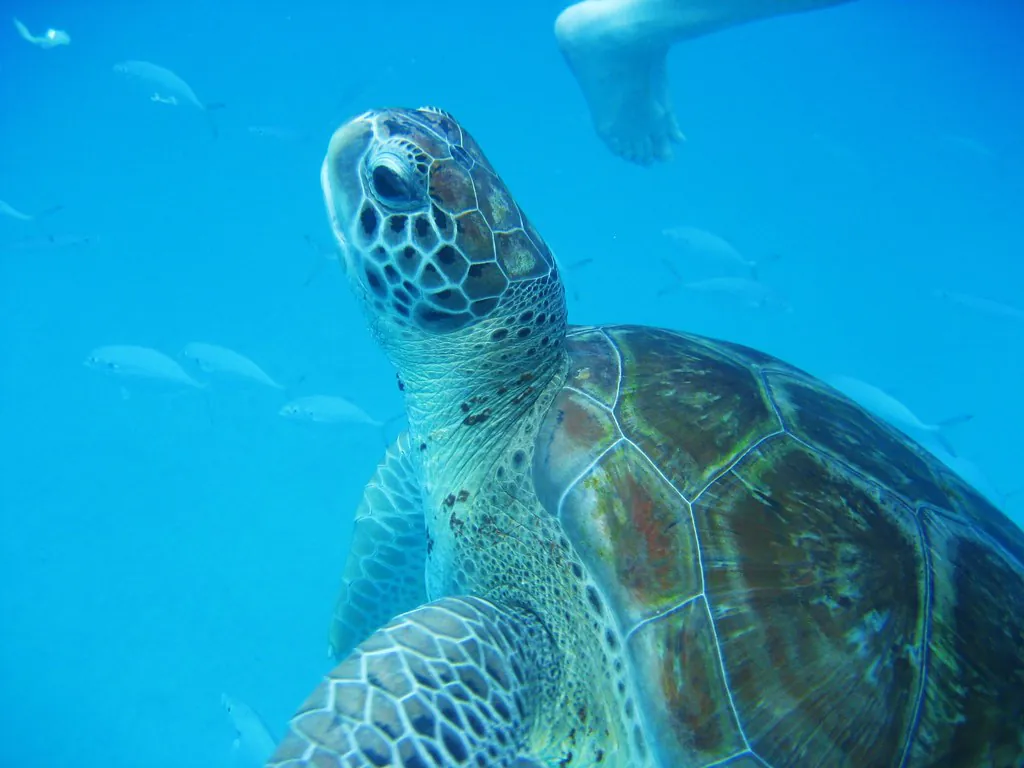
Situated on the west coast, Batts Rock operates as an optimal transition zone from the water to the treeline. The nearshore environment features flat limestone rocks ideal for shallow exploration, yielding to an adjacent woodland area. These woods are highly populated by local Green Monkeys, with peak observation times occurring in the early morning. The beach is equipped with public shower facilities, allowing visitors to wash off the salt before walking to La Cabane Beach Bar. Operating from 12 noon to 9 pm (closed Mondays), this Mediterranean-Bajan fusion restaurant frequently hosts weekend beach yoga and live DJ sets under the stars.
Harrison’s Cave Eco-Adventure Park
For those interested in geology, the subterranean topography at Harrison’s Cave mirrors the complex coral structures found offshore. Managed by Chukka Eco-Adventure Park in St. Thomas, the site features a one-hour Signature Tram Tour that descends into pure coral limestone caverns, subterranean streams, and a 15-metre-high cavern known as the Great Hall. Recent 2025/2026 infrastructure upgrades have expanded the location into a comprehensive adventure facility. Additions include a 14-element Gully Challenge Course, 100-foot monkey ziplines, and the Green Monkey Pool Bar and Grill, providing hours of terrestrial exploration.
Folkestone Marine Park and CORALL Initiatives
Before heading entirely inland, Folkestone Marine Park bridges the gap between marine conservation and public education. The park features a dedicated underwater trail where swimmers can follow marked plaques and signs that identify marine life, point out artificial reefs, and guide visitors safely around fragile coral heads. This area is also the testing ground for the Coral Reef Restoration Alliance (CORALL). The organisation operates a pilot coral nursery at Vauxhall Reef within the reserve, actively growing rescued “fragments of opportunity” like elkhorn and brain corals into dinner-plate-sized colonies to repopulate the island’s west coast reefs. Engaging with this area provides context for why responsible marine interactions are critical to the island’s future.
Bajan Culture and Culinary Traditions
The Oistins Fish Fry
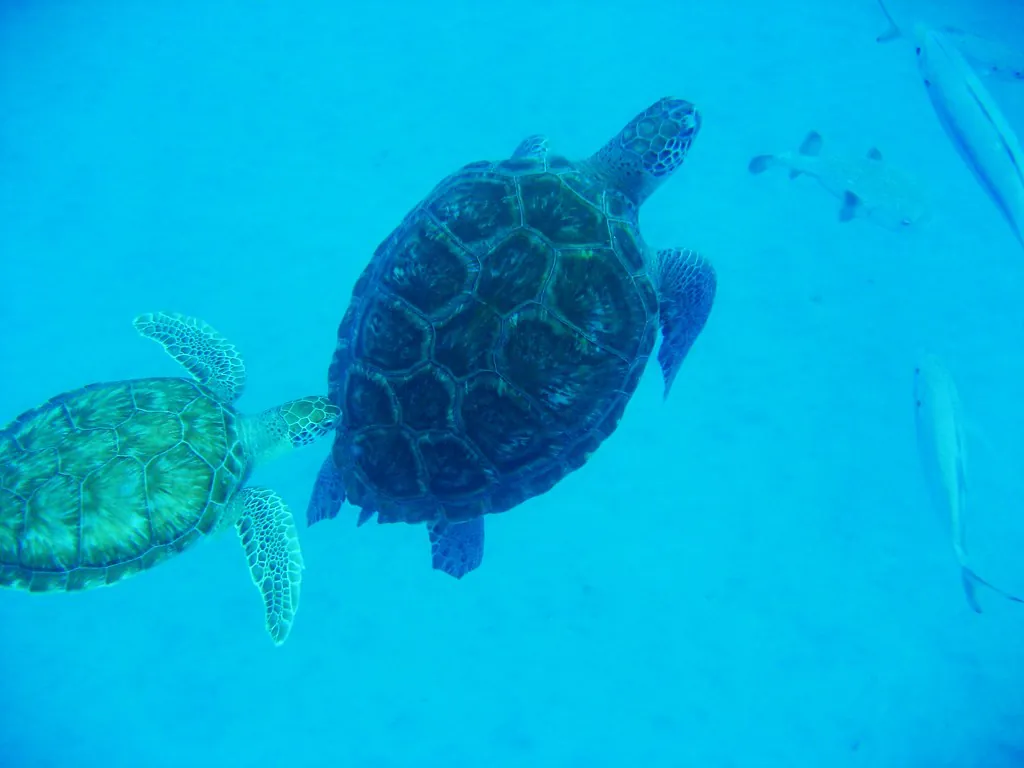
Operating at peak capacity on Friday nights, the Oistins Fish Fry in the southern parish of Christ Church is the primary hub for the island’s fishing heritage. After spending the day on a Barbados Catamaran Turtle and Shipwreck Snorkelling Cruise, Oistins provides massive caloric replenishment. Focus your attention on vendor Uncle George’s Fish Net, which consistently outputs some of the island’s best-grilled tuna and lobster dishes. Alternatively, Pat’s Place delivers substantial portions of traditional Bajan sides, including macaroni pie and rice and peas, paired with the national dish of flying fish and cou-cou.
Mount Gay Rum Distillery
A comprehensive understanding of Barbados requires an examination of its sugarcane exports. Holding a legal deed dated 20 February 1703, Mount Gay Rum is the world’s oldest continuous commercial rum distillery. Located on the Spring Garden Highway in Bridgetown, the Mount Gay Visitor Centre conducts a Signature Rum Tasting for approximately $27.50 USD (based on 2025/2026 pricing parameters). The session lasts 60 to 90 minutes and includes a structured, guided tasting of four signature rums, explaining the distillation mechanics that have sustained the island’s economy for centuries.
Heritage and Historical Trails
Historic Bridgetown and Its Garrison
Designated as a UNESCO World Heritage site in 2011, Historic Bridgetown and its Garrison represent an outstanding example of British colonial architecture. The grid layout and structural fortifications illustrate the strategic maritime importance of the eastern Caribbean. Visitors can walk through George Washington House—the only location outside the United States where the former president resided—and inspect the 17th-century cannons at the National Armoury. This area provides deep historical context before you dive the nearby Carlisle Bay wrecks, which you can read more about in our shipwreck exploration guide.
St. Nicholas Abbey
Situated in the northern parish of St. Peter, St. Nicholas Abbey is one of only three genuine Jacobean mansions remaining in the Western Hemisphere. Built in 1658, the property operates as a working sugarcane plantation and rum distillery. The estate grounds feature lush tropical ravines and a heritage steam railway that transports passengers to Cherry Tree Hill for an elevated observation point of the Atlantic coast. The sheer contrast between the rugged northern elevation and the calm western beaches highlights the geographical diversity of the island.
Traveller Advice: Balancing Surf and Turf
Maximising your time in Barbados means efficiently planning your transitions from the beach to the inland streets. Proper scheduling prevents logistical friction and allows you to experience both the marine reserves and the historical sites in a single day. Here are specific parameters for building your itinerary:
- Morning vs. Afternoon Execution: The ocean is universally calmest between 07:00 and 10:30, rendering it the optimal window for underwater visibility. Dedicate your mornings to marine excursions, such as the Barbados Turtle and Shipwreck Snorkel Adventure. Shift your inland operations—like navigating Harrison’s Cave or visiting St. Nicholas Abbey—to the afternoon when the midday solar radiation is at its peak. For an advanced look at nocturnal marine activity, review our guide on night underwater adventures.
- Transit Mechanics: To reach Oistins or local southern beaches without renting a vehicle, rely on the Barbados Transport Board buses, which are painted blue with yellow trim and cost a standard flat fare. For a faster, higher-frequency alternative, utilise the privately-owned ZR vans. These white vans with maroon stripes are highly efficient; Route Line 11 runs directly between Bridgetown and Oistins along the southern coastal road.
- Cultural Dress Codes: While the island operates on a relaxed tropical timeline, strict dress codes apply off the sand. Beachwear is legally and culturally restricted to the beach. When entering Bridgetown commercial zones, supermarkets, or local distilleries, a proper cover-up or dry civilian clothing is mandatory.
- Equipment Management: If you are pairing a shore dive at Folkestone Marine Park with a hike through the northern parishes, ensure you pack adequate freshwater to rinse your gear. Saltwater degradation can ruin silicone masks if left baking in a hot vehicle. For more hardware specifics, refer to our comprehensive equipment and safety guide.
“Do not limit your perimeter to the shoreline. The functional heart of Bajan culture beats loudest in its 18th-century distillation sites and high-volume Friday night fish markets.”
Transitioning from the coral reefs to the historic garrisons requires minimal effort if you understand the local transit systems. Whether you decide to book a highly-rated Barbados Catamaran Snorkel Cruise with Lunch or spend the afternoon analysing Jacobean architecture, the island accommodates a dense schedule. For additional information on scheduling your aquatic departures, review our breakdown of the best time and weather for snorkelling.