Turtle Etiquette: Swimming Responsibly with Hawksbills
The Biology of Barbados’ Beloved Hawksbills
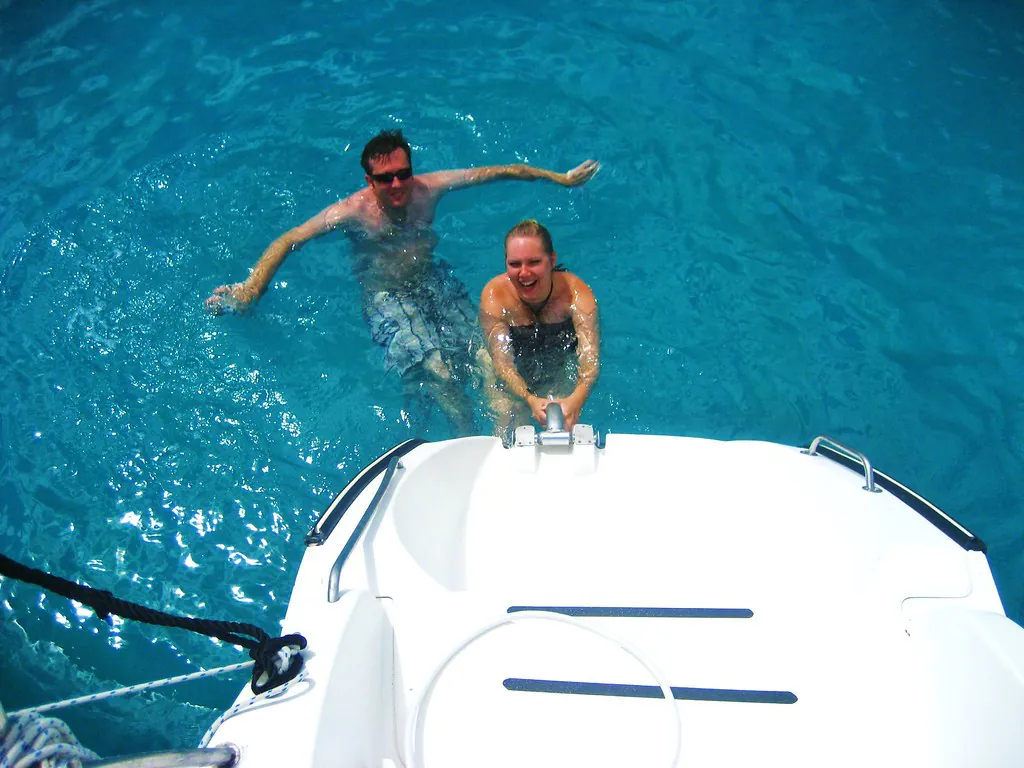
Entering the waters off the Barbadian coast is a privilege, offering immediate access to one of the most complex and delicate marine ecosystems in the Caribbean. For many visitors, the primary draw of these waters is the opportunity to swim alongside the island’s resident sea turtles. However, treating this environment as a mere backdrop for holiday photographs fundamentally undermines the ecological reality of the reef. Before securing your spot on any guided tours and lessons, understanding the strict protocols of turtle etiquette is an absolute necessity. You are not entering a commercial aquarium; you are stepping into a critical foraging and breeding ground for an endangered species.
The vast majority of the turtles you will encounter while snorkelling over the shallow reefs of the west and south coasts are hawksbill sea turtles. Scientifically classified as Eretmochelys imbricata, the hawksbill is distinct from the larger green turtles or loggerheads that occasionally transit through the deeper pelagic zones. Visual identification in the water is straightforward if you know what anatomical markers to look for. The hawksbill earns its name from its sharply pointed, raptor-like beak, a highly specialised evolutionary tool designed for extracting prey from narrow coral crevices. Furthermore, their carapace features uniquely thick, overlapping scutes (scales) that form a serrated look along the posterior edge of the shell. It is this exact biological feature—the breathtaking tortoiseshell pattern—that historically drove the species to the brink of extinction through the global curio trade.
Ecological Significance: A Diet of Glass and Neon Shells
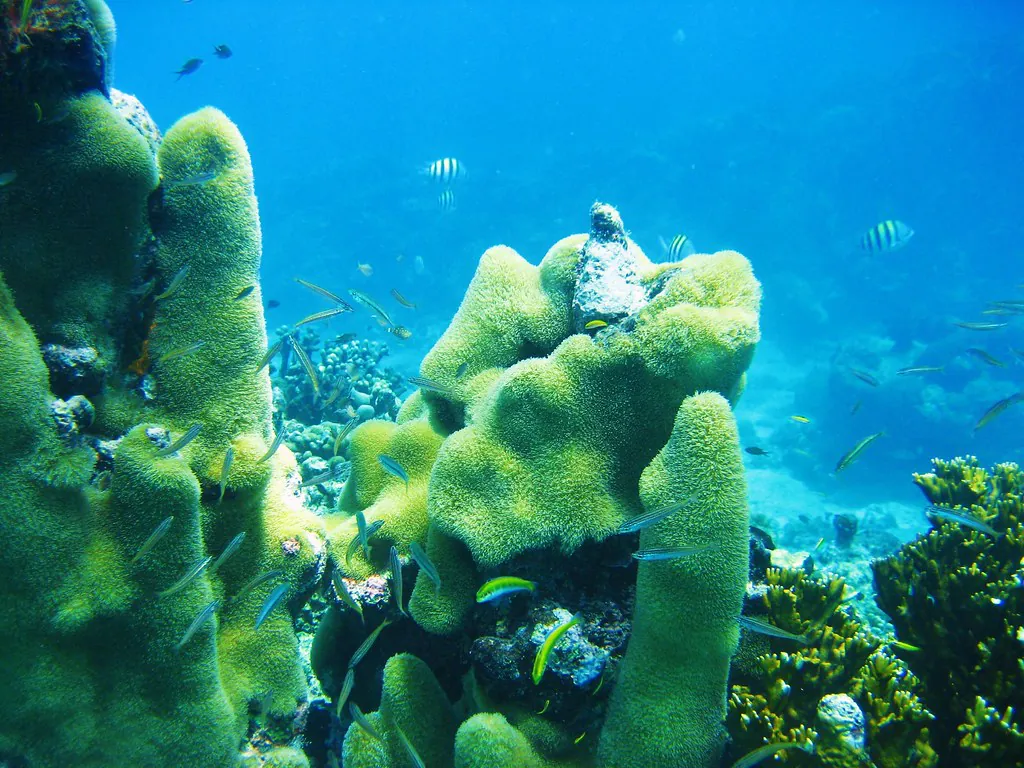
To understand the hawksbill is to understand the survival mechanics of the Barbadian coral reef itself. Hawksbills possess one of the most highly specialised diets in the marine world: they are predominantly spongivorous. They sustain themselves on what marine biologists accurately describe as a “diet of glass.” The sea sponges they consume are filled with toxic chemical compounds and sharp silica spicules, a biological matrix that would cause severe internal lacerations and toxicity in almost any other vertebrate. The hawksbill’s unique digestive tract allows them to consume these sponges safely.
This niche feeding behaviour acts as a vital top-down control mechanism for the reef. By systematically grazing on aggressive, fast-growing sea sponges, hawksbills prevent these organisms from overgrowing and suffocating the slower-growing hard corals. Without the continuous foraging of the hawksbill population, the architectural integrity of locations detailed in our best spots for snorkelling guide would rapidly degrade into sponge-dominated wastelands, lacking the structural complexity needed to support other reef fish.
“The hawksbill is not just a resident of the reef; it is the active gardener that ensures the reef’s survival. Their consumption of toxic sponges directly correlates to the health and biodiversity of our entire coastline.”
Beyond their dietary habits, hawksbills hold a staggering biological secret that was entirely unknown to science until recently. In 2015, marine biologist Dr. David Gruber made a groundbreaking discovery: the hawksbill is the first known biofluorescent reptile. As detailed by the American Museum of Natural History, when a hawksbill is illuminated with ambient blue light—which is the dominant wavelength penetrating the ocean depths—their shells absorb this light and re-emit it as striking, neon green and red colours. While the exact evolutionary purpose of this biofluorescence remains a subject of intense academic study, it highlights how much we have yet to learn about these ancient mariners.
The Physiology of Breathing and Benthic Resting
Despite spending their entire lives in the ocean, sea turtles are air-breathing reptiles. Their surfacing behaviour is heavily dictated by their current activity level. According to NOAA Fisheries data, a hawksbill that is actively foraging along a shipwreck or swimming against a current must return to the surface every 15 to 30 minutes to replenish its oxygen stores. This rapid ascent is a critical vulnerability phase. Snorkellers must recognise when a turtle angles its body upward and immediately clear the airspace above it.
Conversely, their resting physiology is a marvel of biological efficiency. When a hawksbill needs to sleep or conserve energy, it exhibits “benthic resting behaviour.” They will dive to the sea floor, often wedging themselves tightly under coral ledges or inside the sheltered bulkheads of sunken vessels, such as those detailed in our Carlisle Bay Shipwrecks guide. Once secured against the current, the turtle initiates a massive physiological down-regulation. Their heart rate drops precipitously to a mere one beat every nine minutes. In this state of suspended animation, a hawksbill can safely hold its breath for up to 3 to 5 hours. If you spot a turtle wedged under a reef ledge with its eyes closed, do not dive down to inspect it. Disturbing a resting turtle forces an emergency spike in its heart rate, rapidly depleting its oxygen reserves and forcing a panicked, highly stressful ascent.
Hawksbill Quick Reference Protocol
| Biological / Legal Metric | Data Standard |
|---|---|
| Scientific Classification | Eretmochelys imbricata |
| Active Surfacing Interval | Every 15 to 30 minutes |
| Benthic Resting Duration | 3 to 5 hours (Heart rate: 1 beat / 9 mins) |
| Minimum Approach Distance | 1 Metre (The “3-Foot Rule”) |
| Legal Protection Status | CITES Appendix I (Critically Endangered) |
| Barbados Emergency Hotline | (246) 230-0142 (Barbados Sea Turtle Project) |
Conservation Laws and the 2025/2026 Tipping Point
The legal framework protecting these creatures in Barbadian waters is uncompromising. To address a frequent query directly: is any legal take of hawksbill sea turtles allowed in 2024 or beyond? The answer is an absolute no. Internationally, hawksbills are protected under CITES Appendix I, which strictly prohibits all commercial trade of their biological products. Locally, the protections are enforced with severe legal consequences. Under the Barbados Fisheries (Management) Regulations of 1998, it is entirely illegal to harvest, ensnare, chase, or otherwise disturb marine turtles or their nests. Following heightened sea turtles protection act enforcement throughout 2023 and 2024, local marine police and conservation officers have zero tolerance for infractions. As consistently reported by local news authorities, violations carry severe penalties, including fines of up to BDS $50,000 and a potential two-year prison sentence.
“When we say that we rescue over 60,000 hatchlings every year, it’s not a brag, it is a cry of despair… There is way more to be done, because at this point we are reaching what essentially is the tipping point for turtles on this side.”
— Carla Daniel, Director of the Barbados Sea Turtle Project
The urgency of these protections cannot be overstated. The Barbados Sea Turtle Project (BSTP) operates tirelessly across the island, monitoring nesting mothers and intercepting disoriented hatchlings confused by artificial beachfront lighting. Their 24-hour emergency hotline at (246) 230-0142 should be saved in the phone of every visitor. Whether you are walking back from an evening rum tasting or taking a dawn stroll along the beach, if you spot a turtle in distress, a nesting mother, or a hatchling moving toward the road instead of the ocean, call the BSTP immediately. Do not attempt to move a mature turtle yourself.
In-Water Etiquette: Strict Rules of Engagement
When entering the water, snorkellers must pivot their mindset from passive observation to active spatial awareness. The goal is to observe the animal without altering its natural trajectory or behaviour. If a turtle changes its swimming direction because of your presence, you are too close. To ensure compliance, local authorities and conservationists have established strict behavioural parameters for all visitors.
The 5-Foot Rule & Side-Approach Protocol
The Barbados Sea Turtle Project enforces an absolute minimum approach distance of 5 feet (roughly 1.5 metres). Breaching this radius dramatically increases the risk of transferring harmful human bacteria, sunscreen chemicals, or oils directly to the turtle’s sensitive skin and eyes. You must never attempt to touch, stroke, or ride a sea turtle. Furthermore, snorkellers must strictly adhere to the side-approach protocol. You must never swim directly above or behind a turtle. Swimming directly above an ascending turtle physically blocks its vertical path to the surface, triggering an immediate panic response that can lead to drowning. Always position yourself parallel to the animal, allowing it an unobstructed escape route.
The 30-Metre Surface Marker Requirement
Safety on the reef extends beyond the wildlife; it includes your own visibility to marine traffic. If you are swimming more than 30 metres offshore from high-density zones like Folkestone Marine Park or Carlisle Bay, the Barbados Marine Trust strongly recommends towing a high-visibility surface marker buoy or a standard “Divers Down” flag (red with a white diagonal stripe). The coastal waters of Barbados experience heavy boat traffic, ranging from jet skis to large catamarans. A surface marker alerts vessel captains to your presence long before they can spot your snorkel breaking the waves. For comprehensive details on selecting the right buoy, consult our dedicated equipment and safety guide.
Choosing Ethical Operators for Your Encounters
While independent snorkelling off the coast of Barbados is highly rewarding, joining a structured excursion often provides the safest and most educational framework for turtle encounters. However, it is vital to select operators who actively enforce conservation laws. Eco-conscious dive shops, such as Barbados Blue located at the Hilton Hotel Complex on Needham’s Point, act as 100% PADI AWARE partners, ensuring that their divemasters and snorkel guides strictly police in-water behaviour.
If you prefer a surface-based group experience, booking the Barbados Catamaran Snorkelling Turtle and Shipwrecks tour places you in the hands of experienced Bajan crews who know exactly how to read a turtle’s body language. They will brief you on the side-approach protocol before you even step off the deck. Alternatively, for a more comprehensive day on the water, the Barbados Catamaran Turtle Snorkel with Lunch and Open Bar ensures that your exploration of the reef is monitored by professionals who prioritise the welfare of the hawksbills over securing a forced photo opportunity.
The ultimate goal of any excursion into the Atlantic or Caribbean waters surrounding this island is to leave the habitat exactly as you found it. By respecting the 3-foot rule, understanding the critical nature of their surfacing intervals, and choosing to observe rather than interact, you help secure the future of the hawksbill sea turtle. These ancient reptiles have navigated the world’s oceans for millions of years; our responsibility is simply to ensure they have the space to continue doing so in peace.