Best Time & Weather for Snorkelling in Barbados
I. The Climate Foundation: Understanding Barbados Weather Patterns
The Tropical Climate Profile
Barbados operates on a straightforward two-season tropical climate, divided cleanly into a dry season and a wet season. For anyone aiming to explore the local reef ecology or historic shipwrecks, understanding these atmospheric patterns is critical. The overarching weather systems govern not just surface chop, but the exact degree of underwater clarity you will experience on any given day. The upper mixed layer of the Caribbean Sea surrounding the island extends down to 50 to 70 metres. Because the true oceanic thermocline only begins below this depth, surface swimmers will not encounter sudden cold upwellings. You can expect highly uniform, comfortable water temperatures ranging from 26°C to 29°C year-round.
While the water remains warm, surface conditions are heavily dictated by the easterly trade winds. These prevailing winds blow consistently at 10 to 20 knots, registering as a Force 4 to 5 on the Beaufort Wind Force Scale. This specific wind pattern guarantees that the eastern and southern shores absorb the brunt of the ocean’s energy, while the western coast remains highly protected. Before mapping out your daily dive schedule, it is always wise to consult the official Barbados Meteorological Services for real-time marine forecasts and atmospheric pressure readings.
Geography of the Coasts: Atlantic vs. Caribbean Conditions
The Caribbean Coast (West & South)
The island’s physical landmass functions as a massive natural shield. It blocks the prevailing trade winds from reaching the west and southwest shores, resulting in the famously flat, glass-like surface conditions required for optimal visibility. The island experiences a semidiurnal tide cycle—two highs and two lows daily. This means slack water intervals occur roughly every 6 hours and 12 minutes. Timing your entry during these brief transitional windows minimises water movement and maximises clarity. Consult our comprehensive Best Spots for Snorkelling directory to locate the top shore-accessible entry points along this sheltered corridor.
The Atlantic Coast (East & North)
Facing the open ocean, the eastern and northern shores take the full, unfiltered force of the Atlantic. These coasts are defined by heavy surf, powerful undertows, and rugged limestone cliffs, making them strictly off-limits for safe swimming. Interestingly, Barbados is a true microtidal environment. Even during extreme spring tides driven by full or new moon lunar cycles, tide levels fluctuate merely between 0.8 metres and -0.2 metres. The Coastal Zone Management Unit (CZMU) actively monitors these rougher windward ecosystems. As of 2026, their Climate Resilient & Sustainable Integrated Coastal Zone Management Programme remains crucial for tracking water quality and mitigating coastal erosion across the island.
Annual Snorkelling Conditions & Logistics
| Season | Months | Avg Water Temp | Visibility | Snorkelling Conditions |
|---|---|---|---|---|
| Peak Dry Season | Dec – Apr | 26°C – 27°C | Excellent (Up to 30m) | Optimal clarity, calm surface, minimal runoff. |
| Shoulder Season | May & Nov | 27°C – 28°C | Very Good (20m – 25m) | Warm waters, fewer crowds, occasional plankton blooms. |
| Wet Season | Jun – Oct | 28°C – 29°C | Variable (10m – 20m) | Higher chance of rain affecting coastal runoff. |
II. The Seasonal Cycle: When to Plan Your Snorkel Trip
Peak Dry Season Dynamics (December to April)
The dry season represents the definitive window for underwater exploration in Barbados. During these months, precipitation drops significantly, and atmospheric conditions stabilise to provide unobstructed views of complex reef systems and historic wrecks. Light penetration is critical for seeing the true colours of marine life. At a latitude of 13° N, the solar altitude reaches its zenith during the daily solar transit around 12:10 PM AST. Entering the water between 10:00 AM and 2:00 PM yields an optimal light penetration of 60 to 75 percent into the shallows.
This midday sunlight is particularly essential for illuminating deep structures. A prime example is the Bajan Queen wreck in Carlisle Bay. Scuttled on 19 May 2002, the hull rests at 10.5 metres, but her upper decks rise to within 2 to 3 metres of the surface. This makes her the highest-visibility wreck for surface viewers during peak solar altitude. For a comprehensive breakdown of this site, read our Guide to Carlisle Bay Shipwrecks.
It is worth noting that the winter months (December to March) expose the island to strong North Atlantic swells. Even on the protected west coast, these swells can occasionally reach wave heights of 1.2 metres with long periods of 10 to 15 seconds. This creates an underwater surge that stirs up sandy seabeds, temporarily dropping visibility. Because this season aligns with the peak travel period promoted by Visit Barbados, popular marine parks fill up quickly. Rather than navigating the crowds independently, securing a spot on a guided turtle and shipwreck snorkel adventure ensures a streamlined, safe experience with professional oversight.
The Shoulder Seasons (May & November)
Travelling during the shoulder seasons offers a strategic compromise. You avoid the heaviest tourist concentrations while still taking advantage of highly favourable marine conditions. However, the transitional months bring specific oceanographic shifts. Nutrient-rich, low-salinity water carried from the Orinoco and Amazon river outflows via the Guiana Current can trigger localised phytoplankton blooms. These oceanic pulses historically hit Barbados between June and November. When a bloom occurs, underwater visibility can temporarily drop below the usual 15 metres.
Approaching tropical waves during these months also cause local barometric pressure to drop below the standard 1013 mb. These sudden barometric dips frequently precede localised squalls, causing rapid shifts in wind direction that temporarily churn the usually calm leeward waters. Pack reef-safe sunscreen, closely monitor the local atmospheric pressure, and consult our Equipment & Safety Guide to prepare for any shifting afternoon currents.
The Wet Season & Hurricane Risk (June to November)
Snorkelling during the Caribbean hurricane season requires flexibility. Thanks to its easternmost position in the Lesser Antilles, Barbados generally avoids direct hurricane strikes. However, passing tropical waves bring intense, localised tropical showers. Although the island lacks major rivers, these heavy downpours trigger rapid terrestrial runoff through coastal gullies, particularly those near Holetown. This runoff introduces sediment into the nearshore environment, typically dropping visibility for 12 to 24 hours until tidal flushing manages to clear the bays.
Another factor during the late summer is the Sargassum seaweed phenomenon. Since 2011, massive macroalgae blooms have periodically swept through the Caribbean, peaking between May and August. Fortunately, the prevailing Atlantic currents push these dense floating mats onto the windward east coast. The leeward west coast, home to the primary marine parks, is largely spared. If you are visiting during the wet season, booking a catamaran turtle snorkel with lunch and an open bar is a highly effective way to reach the clearest offshore reefs, as captains will navigate away from localised nearshore runoff.
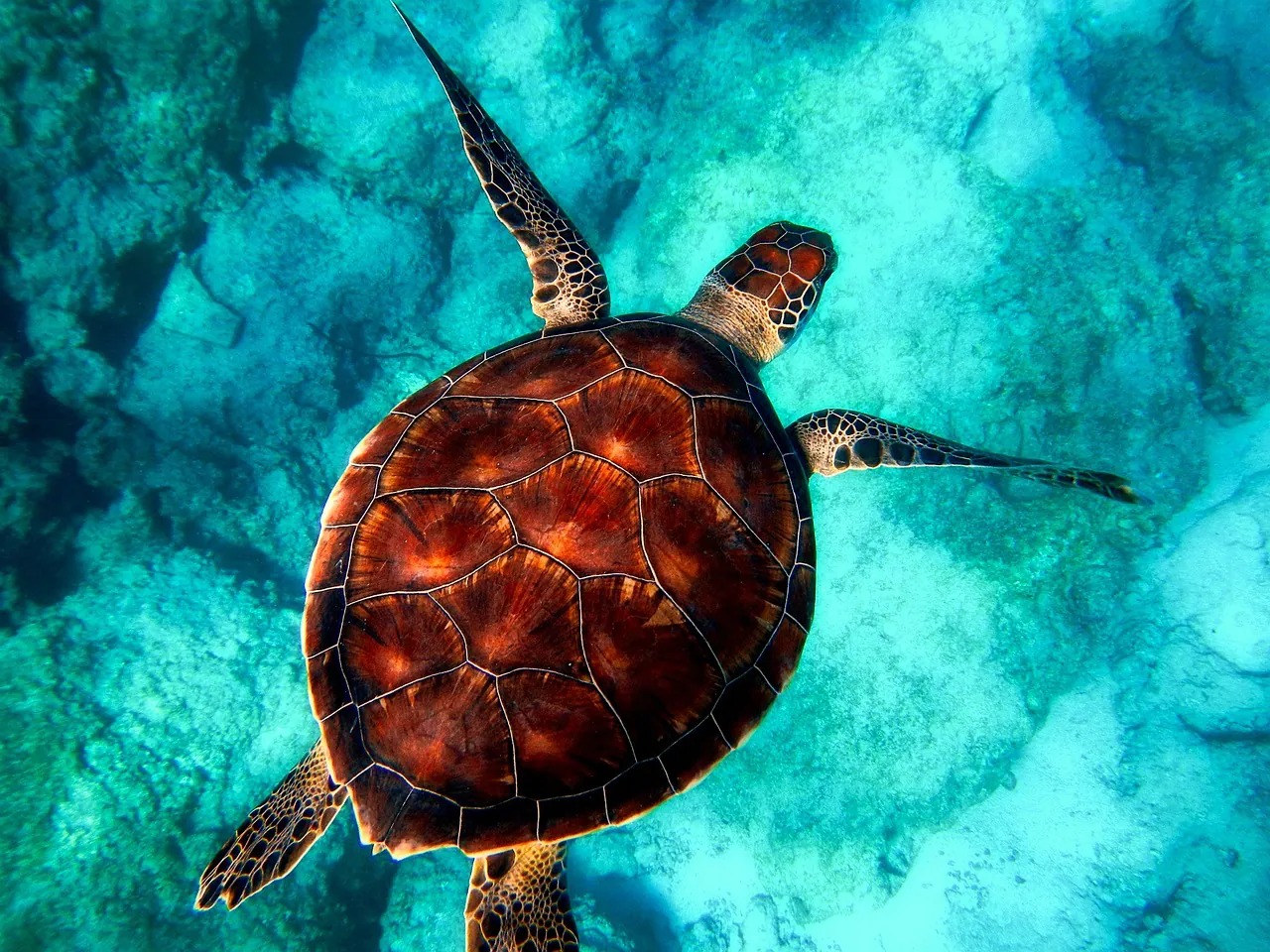
While Barbados’ friendly sea turtles can be spotted year-round, timing your visit during the peak dry season ensures the glass-like water clarity needed for that perfect, unobstructed underwater photograph.
Learn more about swimming responsibly with hawksbills.
If you prefer to balance your aquatic excursions with onshore culture, particularly on days when terrestrial runoff temporarily obscures the reefs, review our guide to Other Things to Do in Barbados. Timing your trip correctly allows you to harmonise perfectly with the natural rhythms of the island, ensuring your time in the water is spent marvelling at marine life rather than battling the elements.