Snorkelling in Barbados strikes a precise balance between tranquil, crystal-clear Caribbean waters and thrilling underwater adventures among historic sunken ships. The overall atmosphere here is wonderfully accessible yet surprisingly dynamic, rewarding those who arrive fully prepared. While the island’s sheltered west coast offers gentle, pool-like conditions with water temperatures reliably hovering between 26°C and 29°C year-round, the environment shifts dramatically as you move south. Areas closer to the southern transition zones, specifically around Needham’s Point and the bustling Carlisle Bay, introduce complex variables such as shifting tidal swells, heavy motorised boat traffic, and deep-water artificial reefs. Navigating the 4 to 15-metre depths of Carlisle Bay requires acute spatial awareness and an understanding of your physical limits. Safety here is not about inducing fear; it is about smart, calculated preparation that allows you to confidently immerse yourself in the dense schools of tropical fish and serene sea turtle encounters. For a comprehensive look at the island’s underwater topography and how geography influences these conditions, consult our Ultimate Guide to Snorkelling in Barbados.
Equipping yourself correctly is the ultimate key to a seamless Bajan adventure. Because the island is deeply committed to preserving its fragile coral ecosystems and maintaining safe recreational zones, local guidelines emphasise eco-conscious gear and strict buoyancy standards. Whether you are jumping off a luxury catamaran for a Barbados Catamaran Turtle and Shipwreck Snorkelling Cruise or swimming out from Pebbles Beach on a DIY shore excursion, understanding exactly what to wear, how to maintain your equipment, and how to navigate around sharp artificial reefs will transform a good trip into an exceptional, worry-free experience. If you are looking for instruction before heading out, browse our directory of Guided Tours & Lessons.
Essential Snorkelling Gear for Barbados
Before leaping into the turquoise waters, ensuring you have the right equipment makes all the difference. While many top snorkelling spots offer gear rentals on the beach, having your own well-fitting mask and snorkel guarantees comfort and prevents annoying saltwater leaks that can cut an excursion short.
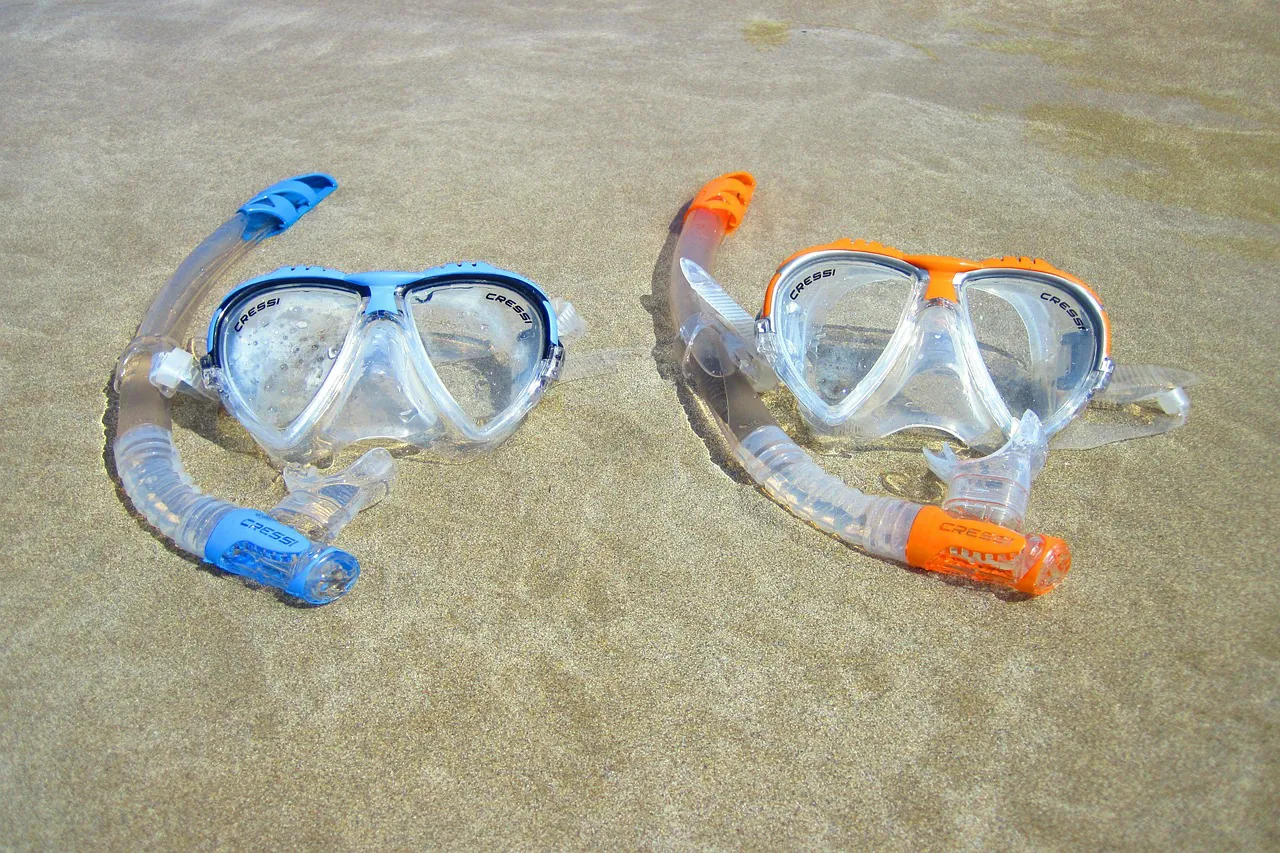
- The Right Mask & Snorkel: Before jumping off a vessel like a Cool Runnings catamaran, always test your mask’s silicone skirt seal integrity by inhaling gently through your nose. It should suction firmly to your face without using the head strap. When navigating the jagged, rusty edges of the 1996 Eilon or the Berwyn shipwrecks, ensure your mask features ANSI-certified tempered glass lenses rather than standard plastic, which easily scratch or shatter upon impact. Pair this with a dry top snorkel featuring a float valve. This automatically seals the breathing tube to prevent water inhalation when handling the occasionally choppy Atlantic swells off the southern transition zones.
- Purge Valve Maintenance: The ultra-fine white sand at Pebbles Beach easily jams a snorkel’s delicate silicone purge valve. Always thoroughly rinse your gear in the freshwater tanks provided by local dive shops immediately after your shore excursion.
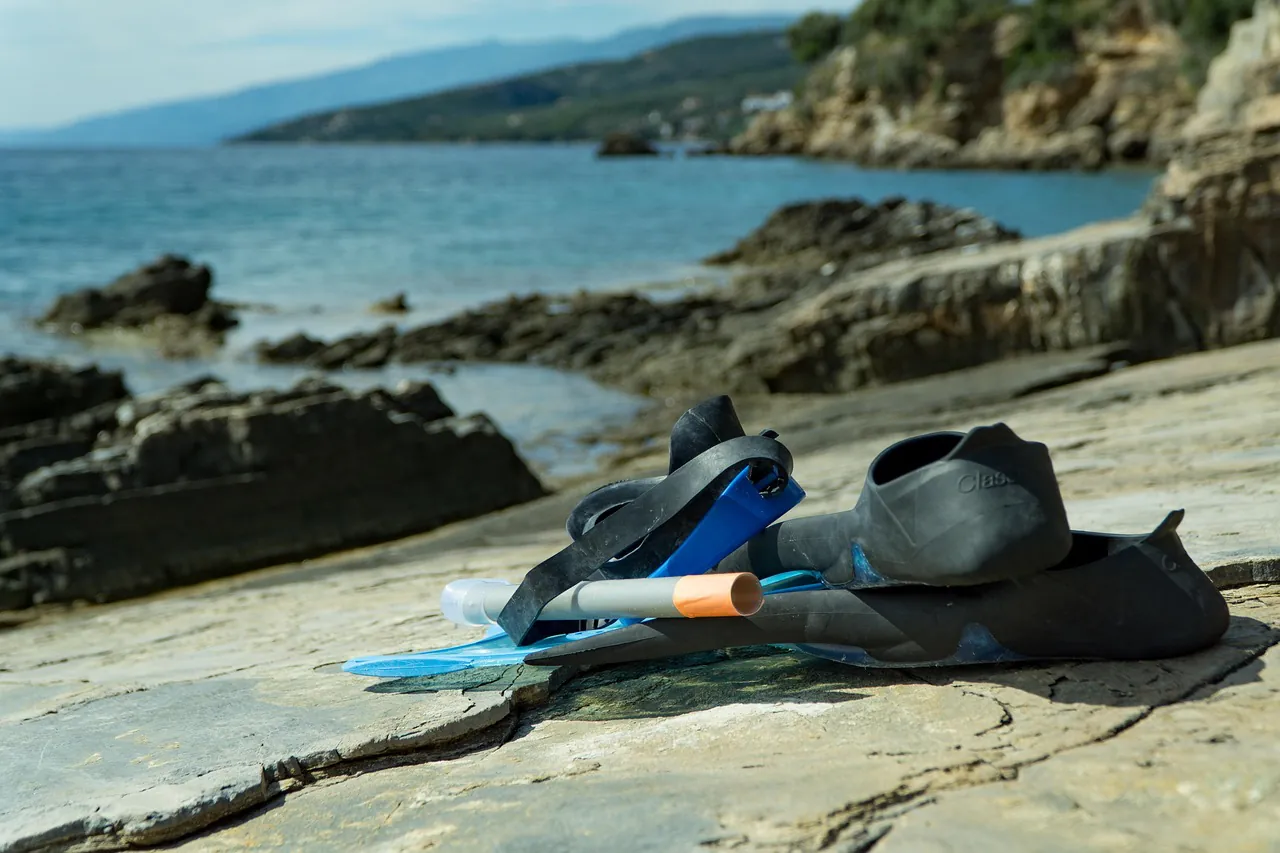
- Fins for Currents: Barbados’s west coast is generally calm, but southern spots often feature mild currents. Short travel fins are excellent for shallow coral gardens as they reduce the risk of accidentally kicking and damaging the reef. However, longer freediving fins offer the necessary thrust for safely descending and ascending from deeper shipwreck explorations.
- UPF 50+ Rash Guards: To bypass the environmental sunscreen dilemma entirely and protect your skin against Barbados’s intense UV index, which frequently peaks at 11+ by midday, wearing a long-sleeve UPF 50+ rash guard is the most effective safety measure.
- Oxybenzone-Free Reef-Safe Sunscreen: As of 2026, Barbados highly advocates using only non-nano mineral sunscreens containing zinc oxide or titanium dioxide. This strict adherence prevents coral bleaching at delicate reserves like Folkestone Marine Park. For official environmental guidelines, refer to the Visit Barbados tourism board or the NOAA Coral Reef Conservation Program.
Water Safety & Navigating Bajan Currents
The Caribbean Sea is famously inviting, but it remains a dynamic ocean environment. Understanding local water conditions and taking proactive safety measures is essential, especially if you are embarking on a shore dive without a professional guide. Check local weather and swell forecasts before heading out, and pay attention to our seasonal weather guide to ensure peak visibility and the calmest seas.
- Surface Marker Buoys (SMB): If you are executing a DIY shore snorkel out to the Carlisle Bay wrecks (GPS coordinates 13.0853° N, 59.6105° W), local safety protocols strongly mandate deploying a brightly coloured Surface Marker Buoy. Heavy jet ski and glass-bottom boat traffic must be able to spot you from a distance.
- Inflatable Snorkel Vests: When booking professional guided tours, such as a 2 Hours Turtle Feeding, Shipwreck & Reef Snorkelling Tour or the 9:30 AM excursions with Barbados Blue Water Sports, the use of brightly coloured inflatable snorkel vests is frequently mandatory to maintain optimal buoyancy and surface visibility, regardless of your swimming ability.
- Hypoxic Blackout Prevention: For advanced breath-hold divers exploring the deeper parts of Carlisle Bay’s sunken fleet, strictly adhere to the “one up, one down” buddy system. Take extended surface breathing intervals to prevent shallow-water hypoxic blackout, a dangerous condition where carbon dioxide levels drop without replenishing oxygen.
- Hand Signal Communication Protocols: Establish basic underwater hand signals with your buddy—such as the “OK” sign, “Up/Surface”, or “Problem”—before descending around bustling wreck sites. This allows you to communicate safely without removing your snorkel mouthpiece, a standard protocol recommended by PADI.
“If you’re snorkelling from the shore at dawn or dusk, always carry a brightly coloured tow float. Boat traffic in Carlisle Bay starts early, and visibility from the helm of a catamaran is incredibly limited looking into the rising sun.”
Local Bajan Guide Tip
For those interested in exploring these waters after dusk, review our Night Snorkelling in Barbados guide for specialised nocturnal safety protocols.
Shipwreck Navigation & Marine Life Etiquette
Barbados offers incredible opportunities to interact with marine life and explore historic artificial reefs. However, these environments require profound respect and spatial awareness to keep both you and the delicate ecosystem safe.
- Shipwreck Safety: When exploring sites like the Berwyn or the Bajan Queen, maintain a strict physical distance of at least two metres. Rusty metal bulkheads and stinging fire coral (Millepora alcicornis) cause serious, slow-healing injuries upon contact. Furthermore, never attempt to penetrate a wreck’s interior while breath-hold diving; overhead environments require specialised scuba training and redundant air supplies. For a detailed breakdown of these specific sites, study our Guide to Carlisle Bay Shipwrecks.
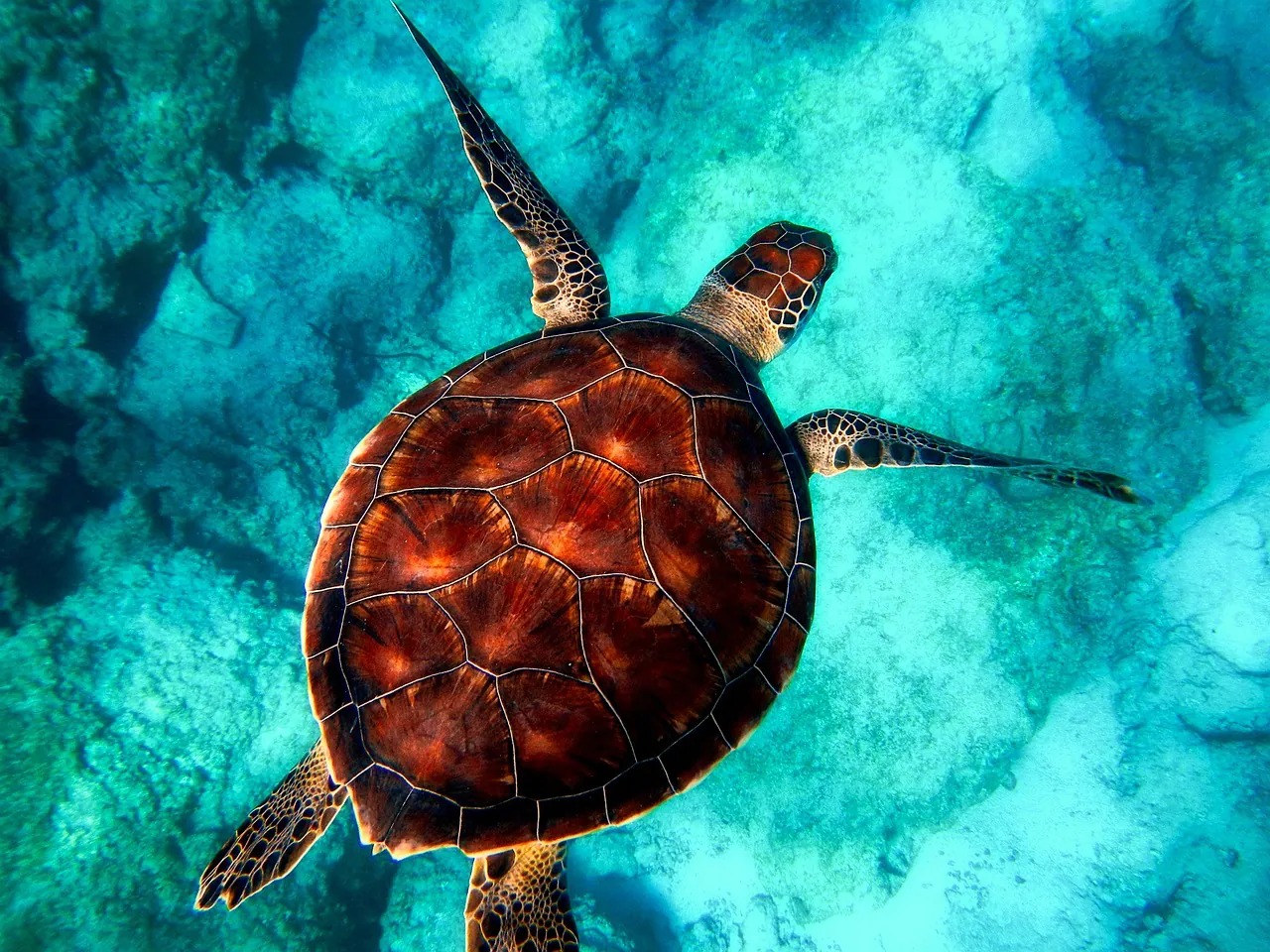
- Turtle Etiquette & 1.5-Metre Rule: When encountering Hawksbill or Green turtles, you must maintain a strict minimum distance of 1.5 metres. Approach quietly from the side, allowing the turtle a clear path to the surface to breathe. Never use flash photography, as sudden bright lights temporarily blind and disorient the animals, making them vulnerable to boat strikes.
- Barbados Sea Turtle Project (BSTP) Hotline: If you spot a turtle in distress, an injured adult, or an unprotected nest on the beach during the May–November nesting season, immediately call the 24-hour BSTP emergency hotline at +1 (246) 230-0142. They are the official response unit for the island and dispatch trained personnel to relocate nests or rescue disorientated hatchlings.
Pre-Snorkel Safety Checklist
Before you step onto the pristine white sands, run through this quick checklist to ensure your adventure is memorable for all the right reasons. For international safety standards in aquatic environments, you can consult the American Red Cross Water Safety guidelines, which apply globally. Furthermore, if you encounter a serious water rescue emergency, contact the Barbados Coast Guard directly via VHF Channel 16 or by dialling +1 (246) 536-2948. After a long day battling the sun and saltwater, you might want to relax; check out our recommendations for Other Things to Do in Barbados for safe, dry-land cultural excursions.
| Action Item | Why It Matters | Frequency |
|---|---|---|
| Gear Check | Ensures mask seal is tight, straps are secure, and the snorkel tube is completely clear of sand or debris. | Before every swim |
| Weather Review | Wind direction dictates which coast is safest. Strong southeasterly winds mean you should head to the sheltered west coast. | Daily |
| Hydration | Intense tropical sun exposure combined with the osmotic effect of salt water rapidly accelerates dehydration and fatigue. | Ongoing |
| Floatation Device | Essential for weak swimmers or extended excursions in deep water where surface resting is required. | As needed |
Respect the reef, know your limits, and the ocean will reveal its greatest treasures safely.