Transitioning from Snorkeling to Scuba Diving in Bridgetown
The Allure of Going Deeper: Recognising the Limits of Surface Exploration
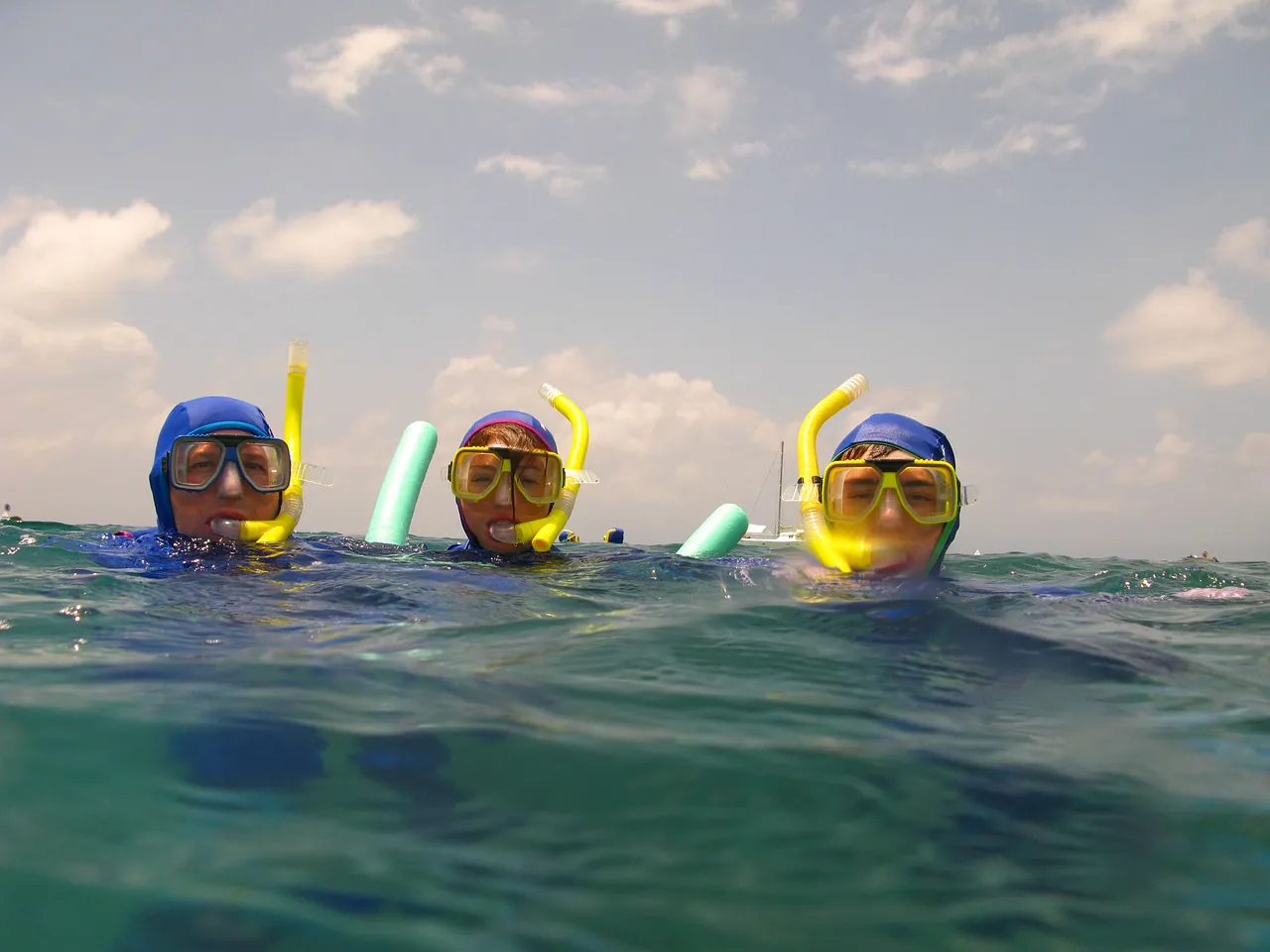
The physical limitation of surface breath-holding creates an inevitable ceiling for aquatic exploration. Anyone who has spent hours mastering their buoyancy on the surface eventually encounters the snorkeller’s plateau. You can observe the intricate skeletal remains of Carlisle Bay’s shipwrecks from above, but the distance mutes the finer details of the reef ecology. At the surface, light refraction and the continuous effort to maintain your position against surface chop distract from the fundamental objective of marine observation. For those who frequently consult our Ultimate Guide to Snorkelling in Barbados, the desire to descend closer to the structures and the marine life they harbour is a natural evolution of the sport.
Transitioning from snorkelling to scuba diving requires a shift in both physiological adaptation and mental processing. While many visitors first experience the bay via a standard catamaran turtle and shipwreck snorkelling cruise, descending into the bay on compressed air introduces an entirely different dimension of interaction. You are no longer fighting your natural buoyancy to snatch a quick glimpse of a hawksbill turtle; instead, you achieve neutral buoyancy, suspending yourself weightlessly in the water column alongside them. This shift fundamentally alters your perception of the underwater environment, turning a fleeting observation into a sustained, immersive study of marine behaviour.
The marine reserve in Carlisle Bay is uniquely suited for this transition. According to the official Visit Barbados tourism board, the bay’s protected status has fostered an incredibly dense concentration of artificial reefs within a highly accessible geographical footprint. You do not need to endure punishing boat rides through heavy ocean swells to reach the dive sites. Instead, the transition happens just offshore, providing an ideal, low-stress environment for those taking their first breaths underwater. If you have already familiarised yourself with the area via our Exploring the Berwyn guide, taking the plunge with a local dive centre allows you to examine the structural integrity of that exact wreck from the seabed looking up, rather than the surface looking down.
Topographical Advantages for Novices
The benthic topography of Carlisle Bay offers a naturally unintimidating environment for first-time divers. Unlike the sheer coral drop-offs found on the island’s Atlantic coast, the bay features a gradual, sandy decline. This lack of fragile coral directly beneath the training zones means beginners can focus entirely on mastering their buoyancy without the persistent anxiety of accidentally kicking and damaging delicate reef systems. It is an exceptionally forgiving landscape.
Operating out of the Hilton Hotel peninsula at Needhams Point, Barbados Blue Water Sports places divers within a strict 1-mile radius of six distinct shipwrecks. This proximity is a topographical luxury. Beginners can execute their initial open-water descent onto the Cornwallis—a Canadian freighter relocated to the marine reserve on 22 October 2003. Resting at a mere 15 feet (4.5 metres) of depth, the Cornwallis allows uncertified divers to equalise their ear pressure very gradually over a calm, sandy bottom. Furthermore, the Bajan Queen, Barbados’ first tugboat (formerly named the Pelican), rests at 35 feet, with its uppermost structures sitting just a few feet below the surface. This vertical profile acts as a physical transitional bridge, allowing surface snorkellers to maintain a visual reference point as they descend.
Optimal Thermal Conditions
A major psychological hurdle for new divers is physical discomfort. Heavy, restrictive neoprene wetsuits can induce a sense of claustrophobia before a diver even enters the water. Fortunately, the thermal profile of the Caribbean Sea around Bridgetown entirely negates this requirement. Water temperatures in Carlisle Bay remain incredibly stable year-round, ranging from a comfortable 81ºF (27ºC) in January through March, peaking at a balmy 85ºF (29ºC) between July and September, as verified by marine data from SeaTemperature.org.
For those planning their trip using our Best Time & Weather for Snorkelling guide, these metrics confirm that introductory dives can be completed in standard swimwear or a lightweight rash guard. This physical freedom significantly reduces the task loading on a new diver. Without the added positive buoyancy of a thick wetsuit, you require far less lead weight on your weight belt, making your equipment lighter and your movements underwater far more natural and fluid. The absence of a thermal shock upon entering the water allows your respiratory rate to remain calm and controlled—the single most critical factor in safe and efficient scuba diving.
Carlisle Bay Beginner Dive Zones
Understanding the PADI Discover Scuba Diving (DSD) Experience
To safely bridge the gap between breath-hold diving and open-water certification, the dive industry developed the introductory dive programme. The PADI Discover Scuba Diving (DSD) experience is precisely that: a highly supervised trial run rather than a full certification course. It strips away the extensive classroom physics and autonomous dive planning required for an Open Water license, focusing strictly on immediate safety protocols, equipment familiarisation, and the physiological sensation of breathing compressed air at depth.
The DSD programme operates under rigid safety restrictions. Participants are limited to a maximum depth of 40 feet (12 metres). This strict ceiling ensures that uncertified divers remain well within recreational no-decompression limits and can reach the surface quickly and safely if necessary. Because of this 40-foot constraint, the WWI French tugboat Berwyn—which sits at a shallow 15 to 20 feet—serves as the quintessential introductory open-water wreck dive. Conversely, deeper wrecks such as the Eilon (a 110-foot former drug smuggling boat resting at 55 feet) or the Ce-Trek (a derelict cement boat sunk in January 1986 at 45 feet on the northern edge of the park) are strictly reserved for certified divers practising precise buoyancy control before attempting advanced penetration.
The Discover Scuba experience transforms the ocean from a two-dimensional surface into a three-dimensional landscape. It is the definitive trial run for snorkellers ready to break the breath-hold barrier.
Mastering Essential In-Water Skills
Before any open-water exploration occurs, you must prove your competence in shallow, confined water. If you are upgrading your itinerary from a standard glass-bottom boat cruise and snorkelling excursion, this is where the technical transition begins. The confined-water training introduces three critical survival skills: clearing a partially flooded mask, recovering a dislodged primary regulator, and mastering equalisation techniques to protect the tympanic membrane from pressure barotrauma.
Roger’s Scuba Shack, an institutional pillar of the Bridgetown dive community, facilitates this transition flawlessly. Operating out of the historic ‘Round House’ on Bay Street, located exactly 250 metres south of The Boatyard beach club, Roger’s conducts their DSD confined-water skills session just off the beach in front of their shop. This eliminates the anxiety of plunging directly off a boat into deep water. You stand in waist-deep water, place your face below the surface, and take your first mechanical breaths. Only after you have demonstrated comfort with regulator recovery and mask clearing do you board the vessel for the short transit to Carlisle Bay’s wrecks.
PADI DSD Logistics & Restrictions
Proper logistical planning is paramount when stepping up from a casual shore snorkel to an equipment-heavy scuba dive. Ensure you have reviewed our Equipment & Safety Guide regarding physical fitness prerequisites before committing to compressed air diving. Below are the definitive parameters for executing a Discover Scuba Diving experience in Bridgetown.
| Parameter | Specific Details & Local Application |
|---|---|
| Maximum Depth Limit | Strictly capped at 40 feet (12 metres). This restricts access to the Eilon and Ce-Trek, but perfectly accommodates the Berwyn and Cornwallis wrecks. |
| Schedule & Pricing (Roger’s Scuba Shack) | Priced at $125 USD. Runs daily (Monday to Saturday) from 12:00 PM to 2:30 PM. Includes confined water skills off Bay Street followed by a boat dive. |
| Schedule (Barbados Blue) | Dedicated daily 1-tank boat dive specifically focused on shallow wrecks. Divers must arrive at 1:30 PM for a 2:00 PM departure. |
| Progression Opportunities | Completion of the DSD does not yield a certification card. However, those who complete a full Open Water certification can join Roger’s daily 9:00 AM two-tank morning boat dives. |
| Environmental Standards | Both Barbados Blue and Roger’s Scuba Shack hold the prestigious PADI ‘Adopt the Blue’ conservation award for enforcing safe interaction protocols with local marine life. |
Once you return to the surface and offload your heavy cylinders, the transition back to land requires careful decompression—both literal and figurative. A highly recommended post-dive protocol involves walking 250 metres north to The Boatyard Beach Club. Here, newly minted divers can sit at the beachside restaurant to log their bottom times and maximum depths. The facility provides high-utility amenities for divers, including fresh water showers to rinse off salt and residual sand, alongside ocean trampolines and rope swings. Taking the time to process the sensory overload of your first dive over local Caribbean dishes is as crucial to the experience as the dive itself. For further land-based recommendations after your dive, consult our comprehensive directory of Other Things to Do in Barbados.
Bridging the Gap: The Ecological Perspective
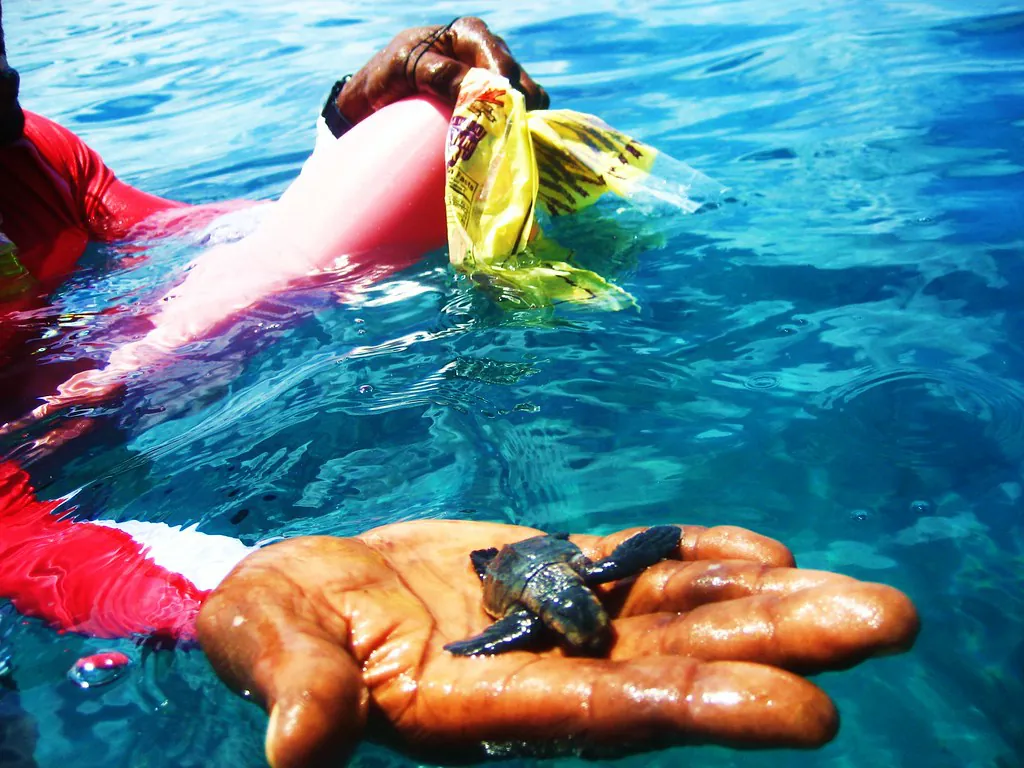
Diving alters your interaction with the reef ecosystem. Snorkellers observe the macro environment—the schooling fish, the broad strokes of the shipwreck, and the fleeting ascent of a hawksbill turtle coming up for air. If you wish to understand how to interact with these creatures ethically during your transition to scuba, our guide on Turtle Etiquette: Swimming Responsibly with Hawksbills outlines strict protocols that apply regardless of your depth.
Scuba divers, conversely, gain access to the micro environment. When you achieve neutral buoyancy near the rusted hull of the Berwyn, you can inspect the structural colonisation up close. You will notice the intricate tube sponges, the microscopic cleaner shrimp operating within the crevices, and the territorial damselfish defending their algae patches. For the 2025/2026 season, Barbados Blue remains the only dive centre on the island offering the ‘Reef Rescue Diver’ distinctive specialty. While this specific course is reserved for fully certified divers who learn to clean, fragment, and replant living coral, completing your DSD is the mandatory first step toward participating in such advanced conservation efforts.
Ultimately, the transition from surface breath-holding to compressed air diving in Bridgetown is logistically seamless, thanks to the island’s unique topographical layout and professional dive operators. You bypass the aggressive currents and deep walls typical of other Caribbean destinations, executing your first underwater breaths in a calm, sandy, historically rich marine park. Whether you choose to pursue a full certification or simply use the DSD to augment your holiday itinerary, breaking the surface barrier in Carlisle Bay will permanently alter your understanding of the ocean. For those who eventually conquer the daytime wrecks, the next frontier awaits after sunset—a completely different ecosystem detailed in our breakdown of Night Snorkelling and Diving in Barbados.
The initial instinct to hold your breath underwater is powerful, but the moment you take that first successful draw of compressed air, the anxiety vanishes. The ocean opens up, and you are no longer a visitor looking through a window; you are a resident within the reef.
Bridgetown Dive Professional